January Meeting Notes
There was a presentation given on pig farming and a handout on funding from USDA.
Pigs are more efficient than cows due to quicker growth and meat processing. 10 months after bred, the owner could have 10 finished pigs. While bigger animals like cows take 22-24 months. Therefore, more pigs in less time.
Comparing a steer to pig meat yield is roughly 1400-1500 lbs for a finished steer and 5 pigs are about the same size, but those 10 pigs will mean twice as much meat as a steer.
12 months for a feeder calf vs. 6 months for a feeder pig.
Pigs are recyclers like chickens. They can be used in the garden for crop digging after harvesting. While there are complaints about the stink, pigs are one of the cleanest animals – they don’t want to mess up their feeding and sleeping places. The stink comes from the mismanagement of manure and making sure it doesn’t get too wet. Good drainage is needed for the pen. Mud is the easiest way to keep pigs cool since they don’t sweat. They need shade and sprinklers and the smell can be mitigated with fans.
It is important to make sure fences are set up well as pigs like to escape. They need to be kept calm/ not stressed and they’ll stay. Pigs do like to stay put but the easiest way to make them move is to motivate them by food. Plywood on sides to make a funnel for moving facilities.
Certain pigs can have a high parasitic load but it comes down to proper cleanliness management and pasture rotation.
Some pork products do require more know-how like curing bacon.
Pigs may have been frowned upon in the Old Testament because they are recyclers (can be seen as dirt) if not managed well and they look dirty.
Some great resources for pig raising:
Storey’s Guide to Raising Pigs
Practical Farmers of Iowa
Iowa State University Extension (Iowa is the hog state)
https://www.usda.gov/farming-and-ranching/financial-resources-farmers-and-ranchers/grants-and-loans
Farm Loans
Housing Assistance
Rural Development Loan and Grant Assistance
Loans for Beginning Farmers and Ranchers
Livestock Insurance
Specialty Crop Block Grant Program
Farmers Market Promotion Program
Organic Cost Share Program
Loans for Beginning Farmers and Ranchers
https://www.fsa.usda.gov/resources/beginning-farmers-and-ranchers-loans
USDA Notes
https://www.fsa.usda.gov/tools/informational/fact-sheets/loans-beginning-farmers-ranchers-2025
Offers various loans to buy property (up to $600k), cover operating costs (up to $400k), micro-loans (up to $50k), and others.
• Has not operated a farm for more than 10 years;
• Substantially participates in the operation;
• For farm ownership loans, the applicant cannot own a farm greater than 30 percent of the average size farm in the county, at time of application.
• If the applicant is an entity, all members must be related by blood or marriage, and all entity members must be eligible beginning farmers
The Downpayment Program requires:
• Cash down payment of at least 5 percent of the purchase price.
• Loan amount limited to 45 percent of the least of:
– The purchase price of the farm;
– The appraised value of the farm; or
– $667,000 ($300,150 maximum).
– 20 years loan term.
– Interest rate is 4 percent below the direct farm ownership rate, but not lower than 1.5 percent.
Rural Development Loan and Grant Assistance
Various grants and loans. Can search by state and program: https://www.rd.usda.gov/programs-services/all-programs
Nebraska:
Value Added Producer Grants in Nebraska: Bring a new product to market and they’ll help you fund the production.
https://www.rd.usda.gov/programs-services/business-programs/value-added-producer-grants/ne
Rural Microentrepreneur Assistance Program in Nebraska: This one is a bit confusing, but it seems like you could use it to get training or buy equipment, or even pay of debt up to $100k, but requires 15% down.
In general, there are several programs for housing, but they seem to apply to only low or very low income families.
There are various water and waste water programs.
October Meeting Notes
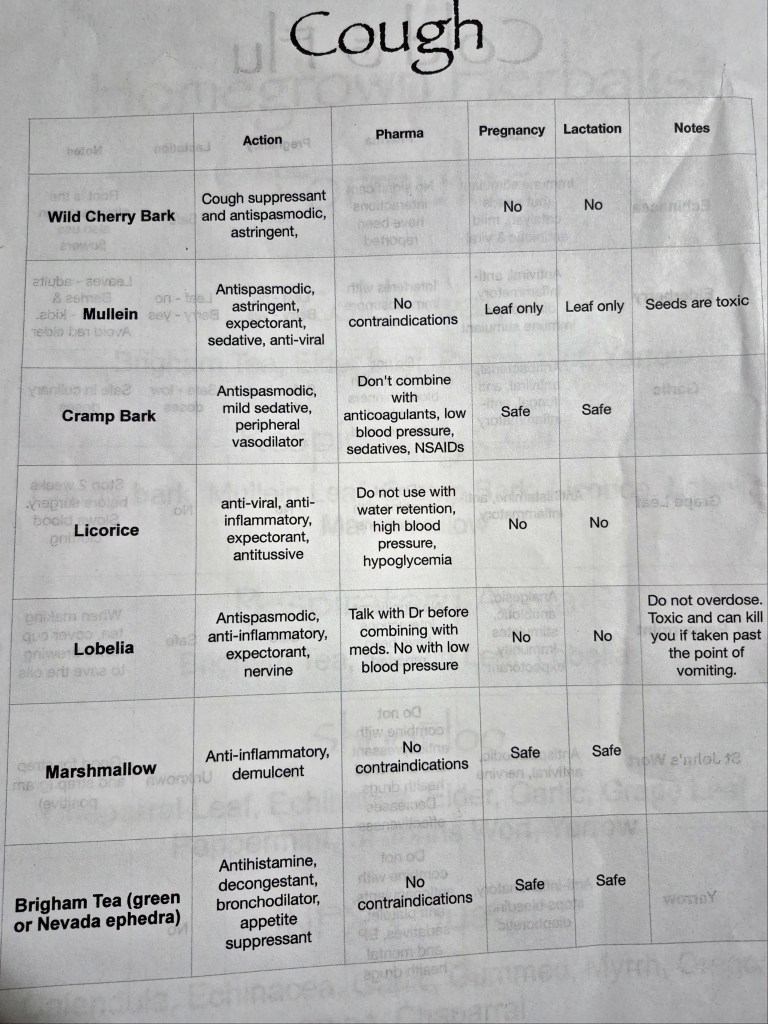
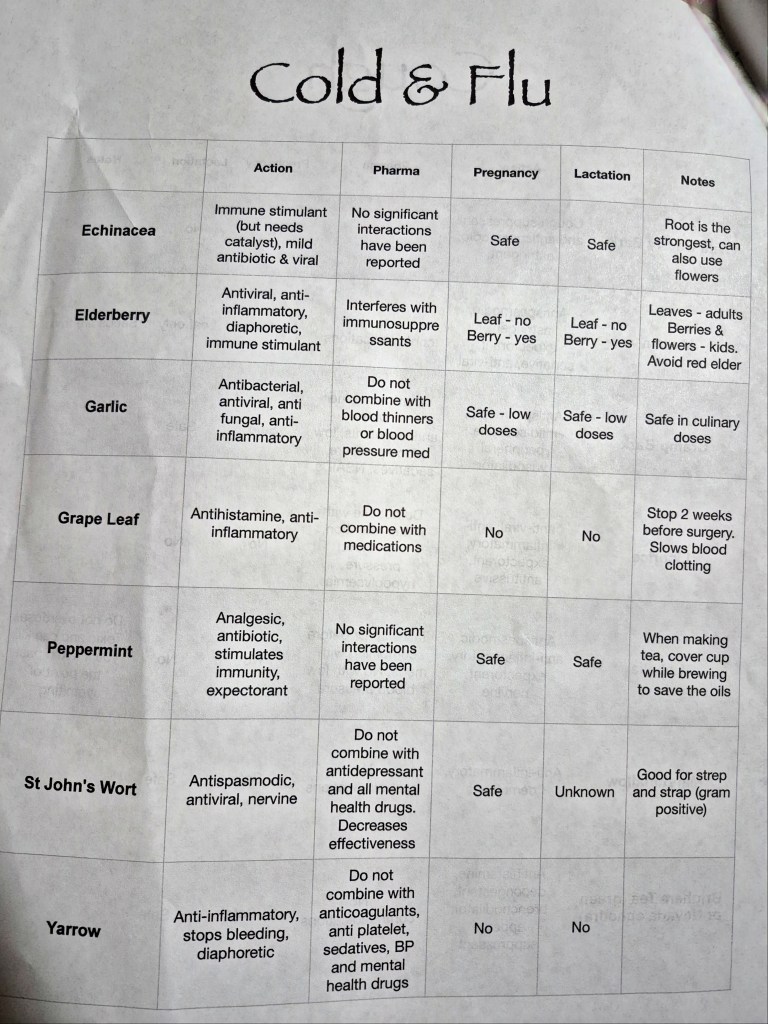
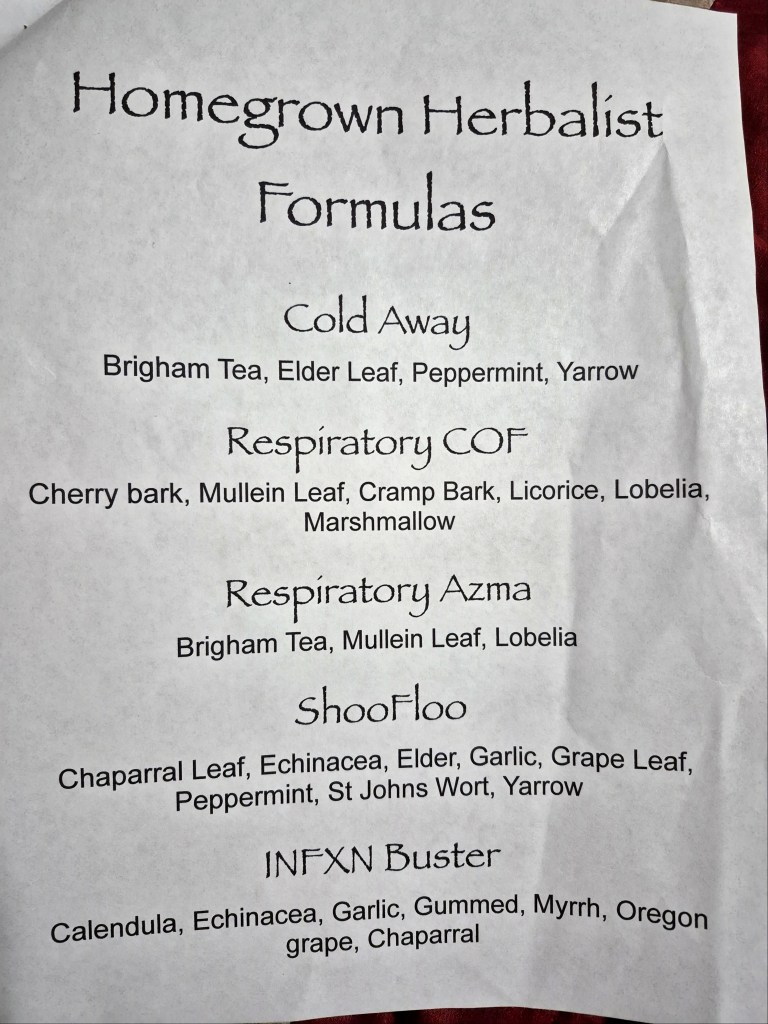
A member shared her herbal remedies for cold/flu season. She recommends using Homegrown Herbalist for supplies and online classes. Reference books are best used for herbs/remedies and growing one’s own herb garden is a bonus. Herbs can be mixed with apple juice to make them more palatable, especially for kids.
No bulls or goats are owned and family is learning to recognize when cows are in heat. Flies are a big issue with cows. One place to purchase cows is from a creamery. Mature cows will continue calving for about 12-15 years and there are generally 15 years of milking for a cow. Biggest maintenance for them are their hooves. Since there are two cows, the bossy one goes to be milked first. Cows can back up, but cannot go down stairs. They are herd animals and any homestead considering a cow will need to account for two. They take about an hour to milk, but most of this is sanitizing the bottles, equipment and cow in order to keep the milk clean.
For free ranging chickens, investing in black breeds can detour birds of prey since the black chickens look like crows to them. Chickens will eat snakes and mice. A recommended quality feed is Wagon Wheel.
June Meeting Notes
Meeting began with a prayer to St. Isidore. An intro to the Catholic Land Movement and its purpose was given and followed by an introduction of the members present.
There is a need to make it simple for people to find land, resources for grant money, etc. Could seek help from Catholic realtors at church. Are there any families in the movement that would parcel land?
Perhaps land could be found by people in town and we would want to establish a personal network to do that. There are also government programs for buying agricultural land. But, in order to make a living off of the land, there is a need to do something unique that is non-industrial. One family bought land through a lawyer and made an agricultural shop where local things were sold.
When trying to make connections, we have different skill sets to use. When we’re starting, we need to be a grassroots movement and recognize what we can’t do. This movement needs a network of those we can talk to and need to connect no matter what we’re doing. Goal is to buy rural land, but still want access to TLM.
There is a need to regenerate soil after bio-engineered crops and to return to rotational farming.
Weston A. Price Foundation https://www.westonaprice.org/#gsc.tab=0
A member with land volunteered to provide space to meet in the future. Details to when the next meeting and its focus will be forthcoming. Discussed having meetings/workshops quarterly.
Members discussed some of the things they would love to see from the group which included: learning about old, durable technology (stick shift, old cars, short wave radio), horseback riding, tours (like a blacksmithing shop in Omaha), make real root beer.
Could be open to small Catholic businesses. Learning to farm and grow produce seems to remain the basis of the movement.
On the website, there is a goal to have local events posted, a monthly theme and skills/resources for it.
There is lots of talent in the group and we have a good starting point. Homeschoolers and CLM folks are more independent and not shy about sharing.
We want to bring in someone from the Nebraska Extension Office. One of NEO’s great resources is The Backyard Farmer show. Kimmel Orchard has gardening/pruning classes. If you call NEO, they can answer basic gardening, etc. questions.
Omaha Public Library has seed sharing (15 seeds to order per month) and they are heirloom seeds. The Extension Office will have similar.
Resource page will be on the website. Please send local things to nebraskacatholiclandmovement@gmail.com to be shared.
Meeting concluded with The Angelus.
 Catholic Land Movement - Omaha